

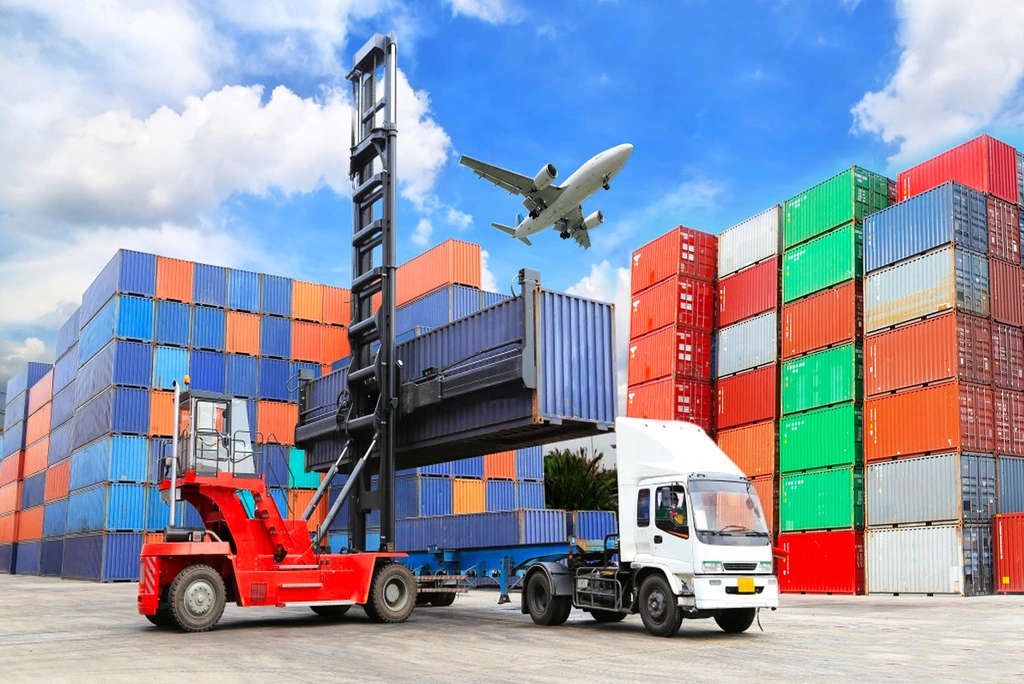
A Freight Forwarding Company plays a vital role in global trade by helping businesses transport goods safely and efficiently across international borders. Whether shipping products by air, sea, rail, or road, freight forwarders coordinate every stage of the logistics process, making international commerce smoother and more reliable.
As businesses expand into global markets, shipping products becomes more complex. Customs regulations, transportation schedules, documentation requirements, and supply chain management all require specialized knowledge. This is where a freight forwarding partner becomes valuable.
Instead of managing multiple transportation providers independently, companies can rely on experienced logistics professionals to organize shipments from origin to destination. From import and export documentation to cargo tracking and customs clearance, freight forwarding services reduce delays, improve efficiency, and help businesses focus on growth.
Whether serving small businesses or multinational corporations, freight forwarders remain an essential part of modern international trade.
What Does a Freight Forwarding Company Do?
A freight forwarding company acts as an intermediary between businesses and transportation providers. While freight forwarders usually do not own ships, aircraft, or trucks, they organize and manage the entire shipping process.
Their primary responsibility is ensuring that cargo moves efficiently from one location to another while meeting legal and logistical requirements.
Services typically include:
- International shipping coordination
- Cargo booking and transportation planning
- Customs documentation
- Import and export assistance
- Warehousing and storage
- Cargo insurance arrangements
- Shipment tracking
- Supply chain management
Freight forwarders work closely with shipping lines, airlines, trucking companies, customs authorities, and warehouse operators to deliver goods safely and on schedule.
Their experience helps businesses avoid costly shipping mistakes and unnecessary delays.
Types of Freight Forwarding Services
Different shipping methods are available depending on cargo size, destination, urgency, and budget.
Air Freight
Air freight is the fastest option for international shipping.
It is commonly used for high-value products, urgent deliveries, electronics, pharmaceuticals, and time-sensitive goods.
Although air transportation costs more than other methods, it significantly reduces delivery times.
Ocean Freight
Ocean freight is one of the most economical solutions for transporting large volumes of cargo.
Businesses shipping heavy machinery, raw materials, furniture, or bulk products often choose sea transportation.
Container shipping allows companies to move goods efficiently across international markets.
Road Freight
Road transportation connects manufacturers, warehouses, ports, and distribution centers.
It plays an essential role in domestic logistics as well as cross-border transportation between neighboring countries.
Road freight offers flexibility for both full truckload and smaller shipments.
Rail Freight
Rail freight provides an efficient option for transporting goods over long distances while reducing transportation costs.
It is particularly valuable for industrial cargo, agricultural products, and large commercial shipments.
Multimodal Transportation
Many shipments require multiple transportation methods.
Freight forwarders coordinate combinations of sea, air, rail, and road transportation to achieve the most efficient delivery solution.
Benefits of Working with a Freight Forwarding Company
Partnering with a professional freight forwarding company offers several important advantages.
Simplified Logistics
Managing international shipping independently can become complicated.
Freight forwarders coordinate transportation, documentation, customs procedures, and communication with multiple service providers.
This simplifies the shipping process for businesses.
Cost Efficiency
Experienced freight forwarders often negotiate competitive shipping rates due to their relationships with transportation carriers.
They also help businesses avoid expensive delays, penalties, and documentation errors.
Customs Expertise
International shipments must comply with customs regulations in different countries.
Freight forwarding professionals understand import and export requirements, reducing the risk of shipment delays.
Shipment Visibility
Modern logistics companies provide shipment tracking systems that allow businesses to monitor cargo throughout the transportation process.
Real-time updates improve planning and customer communication.
Risk Management
Professional freight forwarders help protect shipments by recommending appropriate packaging, cargo insurance, and transportation methods.
This minimizes financial risks associated with international shipping.
How to Choose the Right Freight Forwarding Partner
Selecting the right logistics provider requires careful evaluation.
Experience is one of the most important factors.
Companies with extensive international shipping expertise can better handle customs procedures, transportation challenges, and unexpected delays.
Industry specialization also matters.
Some freight forwarders focus on specific sectors such as healthcare, manufacturing, retail, automotive, or e-commerce.
Technology should also be considered.
Reliable shipment tracking, digital documentation, and responsive customer support improve the shipping experience.
Businesses should evaluate service coverage, carrier networks, pricing transparency, and customer reviews before making a decision.
Choosing a trusted logistics partner helps ensure reliable long-term shipping operations.
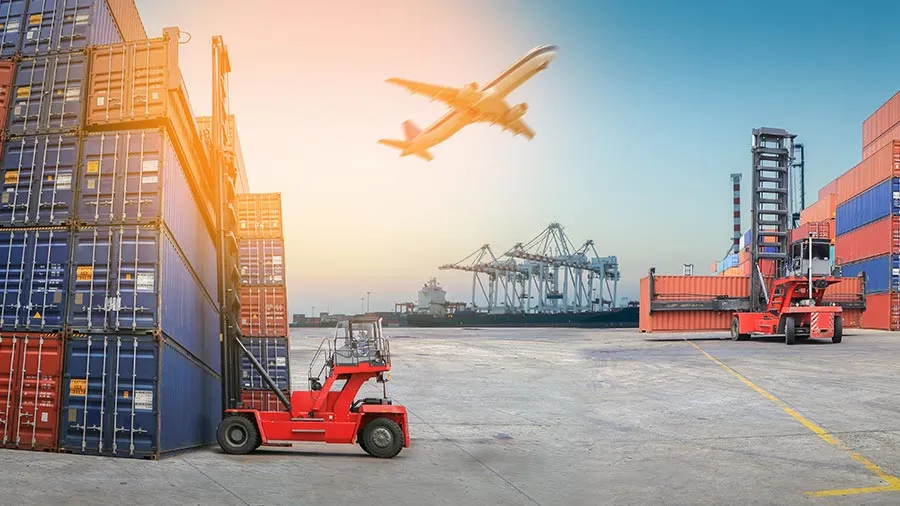
The Role of Technology in Modern Freight Forwarding
Technology has transformed global logistics over the past decade.
Digital freight management systems improve shipment planning, documentation, and communication between all parties involved.
Artificial intelligence helps optimize shipping routes and improve delivery efficiency.
Cloud-based logistics platforms provide businesses with real-time shipment visibility and centralized document management.
GPS tracking allows companies to monitor cargo throughout transportation.
Automation reduces paperwork while improving operational accuracy.
Data analytics helps businesses evaluate shipping performance, reduce costs, and improve supply chain decision-making.
As digital transformation continues, technology will play an even greater role in improving international logistics.
Challenges in International Freight Transportation
Although freight forwarding simplifies shipping, international logistics still presents several challenges.
Changing customs regulations require businesses to remain compliant with international trade laws.
Weather conditions, port congestion, labor shortages, and geopolitical events can affect shipping schedules.
Fuel price fluctuations also influence transportation costs.
Supply chain disruptions occasionally create delays across multiple industries.
Experienced freight forwarders help businesses respond quickly to these challenges by developing alternative transportation strategies and maintaining strong relationships with logistics partners worldwide.
Their expertise helps minimize disruptions while maintaining supply chain continuity.
Final Thought
A Freight Forwarding Company serves as a critical partner for businesses involved in international trade. By managing transportation, customs documentation, logistics coordination, and supply chain operations, freight forwarders make global shipping more efficient and reliable.
Whether transporting goods by air, sea, rail, or road, professional logistics providers help businesses reduce shipping complexity while improving operational efficiency. Their expertise allows organizations to expand into international markets with greater confidence.
As global commerce continues growing and supply chains become more connected, freight forwarding companies will remain essential in supporting international business success and ensuring products reach customers safely and on time.
FAQs
What is a freight forwarding company?
A freight forwarding company organizes and manages the transportation of goods between countries through air, sea, road, or rail while handling logistics and customs documentation.
Do freight forwarders own transportation vehicles?
Most freight forwarders do not own ships, trucks, or aircraft. They coordinate shipments through transportation carriers and logistics partners.
What services do freight forwarding companies provide?
Services include cargo booking, customs clearance, warehousing, shipment tracking, documentation, cargo insurance, and supply chain management.
Why should businesses use a freight forwarder?
Freight forwarders simplify international shipping, reduce delays, manage customs requirements, improve efficiency, and help lower transportation risks.
Which industries commonly use freight forwarding services?
Manufacturing, retail, healthcare, automotive, e-commerce, agriculture, electronics, and industrial businesses frequently rely on freight forwarding companies.
How do freight forwarders improve supply chain efficiency?
They coordinate transportation, optimize shipping routes, manage documentation, monitor shipments, and resolve logistics challenges to ensure timely deliveries.

