

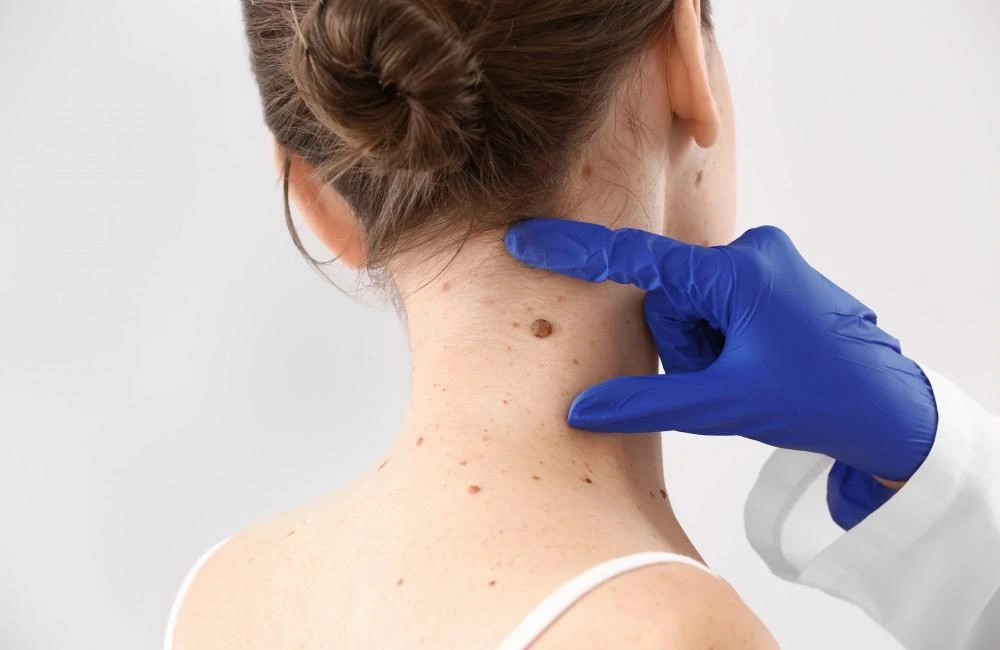
Skin tag removal is a common cosmetic procedure that helps eliminate small, soft growths that often appear on the neck, underarms, eyelids, groin, and other areas where skin rubs together. Skin tags, also known as acrochordons, are typically harmless and non-cancerous, yet a few individuals opt to have them eliminated since they agonize skin or make them look unattractive, or get stuck in clothes or jewellery.
Skin tags usually are not a medical emergency but removal may be beneficial to comfort and self-confidence. These days, there are a few good alternatives—both medical and commercial—from which to choose, from most of which will work efficiently. Knowing what is safe will prevent complications and provide the greatest result.
This guide will take you through what a skin tag is, what causes skin tags to form, methods of removing them, post removal and important advice from a medical professional.
What Are Skin Tags?
Skin tags are small skin growths that attach to the skin by a narrow skin stalk, and are flesh coloured or slightly darker in colour.
They consist of collagen fibers, blood vessels and the surface of the skin which is covered by the outer layer of the skin.
Most skin tags are just a few millimeters in size, but they can increase in size as time passes.
They grow easily on the neck, in the armpits, under the eyelids, under the breasts, and in the groin area.
Skin tags are not contagious and typically do not cause pain unless they become twisted, irritated or rubbed against clothing.
Their prevalence increases with age and they often occur in middle-aged and older persons.
What Causes Skin Tags?
Skin tags do not have a clear cause, but there are a number of factors that increase the risk.
A very frequent cause is repeated rubbing of the skin.
Those who are overweight are more likely to have more skin folds that can create more friction and a higher risk of the development of skin tags.
They may also be caused by hormonal shifts that happen when a woman is pregnant.
It could be genetic as some families tend to have more skin tags.
People who have insulin resistance and type 2 diabetes are more prone to having skin tags than other people.
These growths are usually not dangerous, but any growth that changes size, color or appearance should be checked by a health care provider.
Professional Skin Tag Removal Methods
Healthcare professionals use several safe and effective techniques to remove skin tags.
Cryotherapy
Cryotherapy is the treatment of the skin tag using frozen substance, liquid nitrogen.
The affected tissues will peel off over a few days.
Surgical Excision
A healthcare provider cuts the skin tag off with the sterile surgical scissors or scalpel.
This approach does give instant results and is often employed for larger growths.
Electrocautery
Electrocautery involves using controlled electrical heat to cut off the skin tag and seal off the blood vessels to minimise bleeding.
Ligation
Ligation involves tying off the base of the skin tag to cut off its blood supply.
With time the tissue will dry out and peel off on its own.
It’s typically fast, there are less problems, and the risk of infection or too much bleeding is lowered with professional removal.
Can Skin Tags Be Removed at Home?
Many over-the-counter products are marketed for skin tag removal, including topical solutions, patches, and freezing kits.
Some people also attempt home remedies such as tying off the skin tag with dental floss or thread.
However, self-treatment carries certain risks.
If a person is not aware that they have a skin tag, they may misinterpret the growth as something else and, therefore, have a delayed correct diagnosis.
Incomplete removal, scarring, infection and bleeding may occur if the removal is improperly done.
The use of sharp objects at home is particularly discouraged due to risk of injury.
Professional treatment is the safest if a skin tag is near the eyes and face or sensitive area.
If you’re unsure, always seek advice from a trained health care professional before trying any removal technique.
Aftercare Tips for Healthy Healing
Good after care can help minimize the chance for infection and promote quicker healing.
Do not let the treated area get wet or damp for several days after its removal.
Cleanse and take care of the wound as directed by your health care provider.
Refrain from scratching or peeling wound.
If a bandage is to be used, change it as directed and with clean materials.
Shield from over-exposure to sun during healing, which will help minimize the risk of skin discoloration.
Most small removal sites heal within a week or two, depending on the various methods of removal and on the skin type of the individual.
If you see continued redness and swelling of the area or a lot of pus or severe pain, or if the bleeding does not stop after a few hours, get medical help.
When Should You See a Doctor?
While most often, skin tags are not problematic, not all skin lesions are skin tags.
If a growth turns color, grows quickly, bleeds despite not being cut or bruised, or is painful for an extended period of time, or if it has an unusual shape, a healthcare professional should be consulted.
Any skin tags that are large, or located in sensitive areas of the body, including the eyelids, should also be checked by a health care provider.
[The diagnosis can be confirmed by a healthcare professional, and then the best treatment can be recommended.]
Early evaluation gives everyone peace of mind and can exclude other types of skin conditions that need other treatments.
Multiple new growths that come up in a brief time require special evaluation from a professional.
Preventing Future Skin Tags
While not all of the time preventable, some lifestyle factors can lower the risk for more new skin tags.
The weight of the body helps to reduce the friction of the skin where tags are most likely to be present.
Comfortable clothing to minimize rubbing can also be helpful.
For people with insulin resistance or diabetes, a healthy diet and exercise may help control blood sugar levels.
Minimizing irritation of the skin folds and practicing good skin care could further reduce risk.
Although prevention is not a sure bet, these habits help promote a healthy looking skin and a healthy lifestyle.
Final Thought
Skin tag removal is a safe and common procedure for individuals who wish to eliminate harmless skin growths that cause discomfort or cosmetic concerns. Selecting the correct method can be a matter of life and death in achieving optimum outcomes with a minimum of complications, whether done by a healthcare professional, or by using specially selected approved products.
Skin tags are typically not a cause for concern but if a skin growth looks atypical or evolves over time, then a professional evaluation should be considered. Proper removal techniques, good aftercare, and attention to overall skin health can help ensure smooth healing and long-lasting results.
If you’re uncertain whether a skin growth is a skin tag, consulting a qualified healthcare provider is always the safest first step.
FAQs
What is a skin tag?
A skin tag is a small, soft, noncancerous growth that commonly develops in areas where skin rubs together.
Is skin tag removal painful?
Most professional removal procedures cause little discomfort. Local anesthesia may be used for larger skin tags.
Can I remove a skin tag at home?
Some over-the-counter products are available, but home removal carries risks. It is safest to consult a healthcare professional, especially for large or sensitive-area skin tags.
How long does healing take after skin tag removal?
Most small treatment areas heal within one to two weeks, depending on the removal method and individual healing response.
Do skin tags grow back after removal?
The removed skin tag usually does not grow back, but new skin tags may develop in other areas over time.
When should I see a doctor about a skin tag?
Seek medical advice if a skin growth changes color, grows rapidly, bleeds unexpectedly, becomes painful, or if you are unsure whether it is actually a skin tag.

