

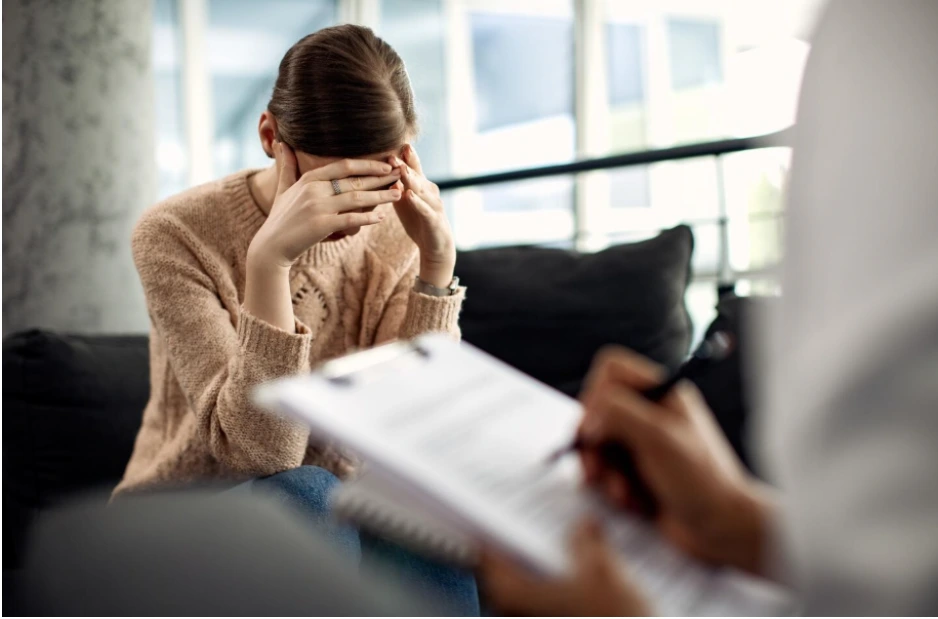
Feeling anxious from time to time is a normal part of life. Many people experience worry before an important presentation, a job interview, an examination, or a significant life event. In most situations, these feelings gradually ease once the situation has passed. However, when anxiety becomes persistent, overwhelming, or begins to interfere with daily life, it may be helpful to seek professional support. For many individuals, anxiety therapy in Singapore provides a safe and structured environment to better understand these feelings and develop practical strategies for managing them.
Therapy is not about eliminating anxiety. Instead, it aims to help individuals recognise their thoughts, emotions, and behaviours while learning healthier ways to respond to stressful situations. With the guidance of a qualified mental health professional, many people develop greater confidence in managing everyday challenges and improving their overall wellbeing.
Understanding Anxiety
Anxiety is the body’s natural response to stress or perceived danger. It can involve emotional, physical, and behavioural reactions that prepare a person to respond to challenging situations. While occasional anxiety is common, persistent anxiety that affects work, relationships, education, or daily activities may require professional attention.
People experience anxiety differently. Some may notice constant worrying, while others experience difficulty concentrating, restlessness, muscle tension, or trouble sleeping. Certain situations may also trigger feelings of fear or unease that seem difficult to control.
Recognising these experiences is often the first step towards seeking appropriate support.
When to Consider Therapy
Everyone experiences stress differently, and there is no single point at which therapy becomes necessary. However, it may be worth considering professional support if anxious thoughts or feelings become frequent, intense, or begin affecting daily life.
For example, anxiety may make it difficult to focus at work, attend social events, manage family responsibilities, or enjoy once pleasurable activities. Some individuals may also avoid particular situations because they fear feeling anxious.
Seeking therapy early can help prevent these patterns from becoming more deeply established and provide an opportunity to develop healthier coping strategies.
How Anxiety Therapy Works
Anxiety therapy provides a confidential space where individuals can openly discuss their experiences without fear of judgement.
During therapy, the mental health professional works collaboratively with the individual to understand their concerns, identify contributing factors, and develop practical approaches that support emotional wellbeing.
The therapeutic process is highly individual, with treatment plans tailored to each person’s experiences, goals, and circumstances. Rather than offering quick solutions, therapy focuses on building long-term skills that can be applied in everyday life.
Common Therapeutic Approaches
Qualified therapists may use a range of evidence-based approaches depending on the individual’s needs.
Cognitive behavioural therapy, commonly known as CBT, is one of the most widely used approaches for anxiety. It helps individuals recognise unhelpful thought patterns and explore healthier ways of responding to stressful situations.
Other therapeutic approaches may include acceptance and commitment therapy, mindfulness-based techniques, solution-focused therapy, or other evidence-based methods that support emotional wellbeing.
The choice of therapy depends on the individual’s circumstances and the professional judgement of the therapist.
Building Practical Coping Skills
One of the key benefits of anxiety therapy is learning practical strategies that can be applied outside the therapy room.
Individuals may learn techniques to manage overwhelming thoughts, improve emotional awareness, respond more effectively to stress, and gradually face situations they have been avoiding.
These skills are intended to support long-term resilience rather than provide only temporary relief.
Over time, many people become more confident in managing anxiety while continuing to participate in everyday activities.
The Importance of a Safe Therapeutic Relationship
A positive relationship between the individual and the therapist plays an important role in successful therapy.
Feeling listened to, respected, and understood allows individuals to discuss sensitive topics openly while working towards their personal goals.
Therapists provide professional guidance while encouraging individuals to explore their own experiences at a pace that feels comfortable.
Building trust over time creates a supportive environment for personal growth and emotional development.

Choosing the Right Therapist
Finding a therapist who is appropriately qualified and experienced can make a significant difference to the therapeutic process.
Many people consider factors such as professional qualifications, areas of expertise, therapeutic approach, availability, and personal comfort when choosing a therapist.
An initial consultation often provides an opportunity to ask questions, discuss concerns, and determine whether the therapist’s approach feels suitable.
Taking the time to find the right professional helps establish a strong foundation for therapy.
Therapy as Part of Overall Wellbeing
Therapy is one aspect of maintaining good mental health and may work alongside other healthy lifestyle habits.
Regular physical activity, adequate sleep, balanced nutrition, supportive relationships, and healthy stress management techniques can all contribute positively to emotional wellbeing.
A therapist may discuss how these factors interact with anxiety while helping individuals develop realistic strategies that fit their daily lives.
Every person’s experience is unique, and treatment plans should reflect individual needs and circumstances.
Conclusion
Anxiety therapy in Singapore offers individuals the opportunity to better understand their thoughts, emotions, and behaviours while learning practical skills for managing everyday challenges. Rather than aiming to remove anxiety entirely, therapy focuses on developing healthier ways of responding to life’s difficulties and building greater emotional resilience over time.
Seeking professional support is a positive step for anyone whose anxiety is affecting their quality of life. With the guidance of a qualified therapist and a personalised approach to treatment, many individuals gain the confidence and skills needed to navigate daily challenges more effectively and improve their overall wellbeing.
FAQs
What is anxiety therapy?
Anxiety therapy is a form of professional psychological support that helps individuals understand and manage anxious thoughts, emotions, and behaviours using evidence-based therapeutic approaches.
How do I know if I should seek anxiety therapy?
If anxiety is persistent, difficult to manage, or begins affecting your work, relationships, studies, or daily activities, it may be beneficial to speak with a qualified mental health professional.
How long does anxiety therapy take?
The duration varies depending on each individual’s needs, goals, and progress. Some people benefit from short-term therapy, while others may require longer-term support.
Is anxiety therapy confidential?
Yes. Qualified mental health professionals generally provide confidential services, although there may be specific legal or ethical exceptions that will be explained during the therapeutic process.

