

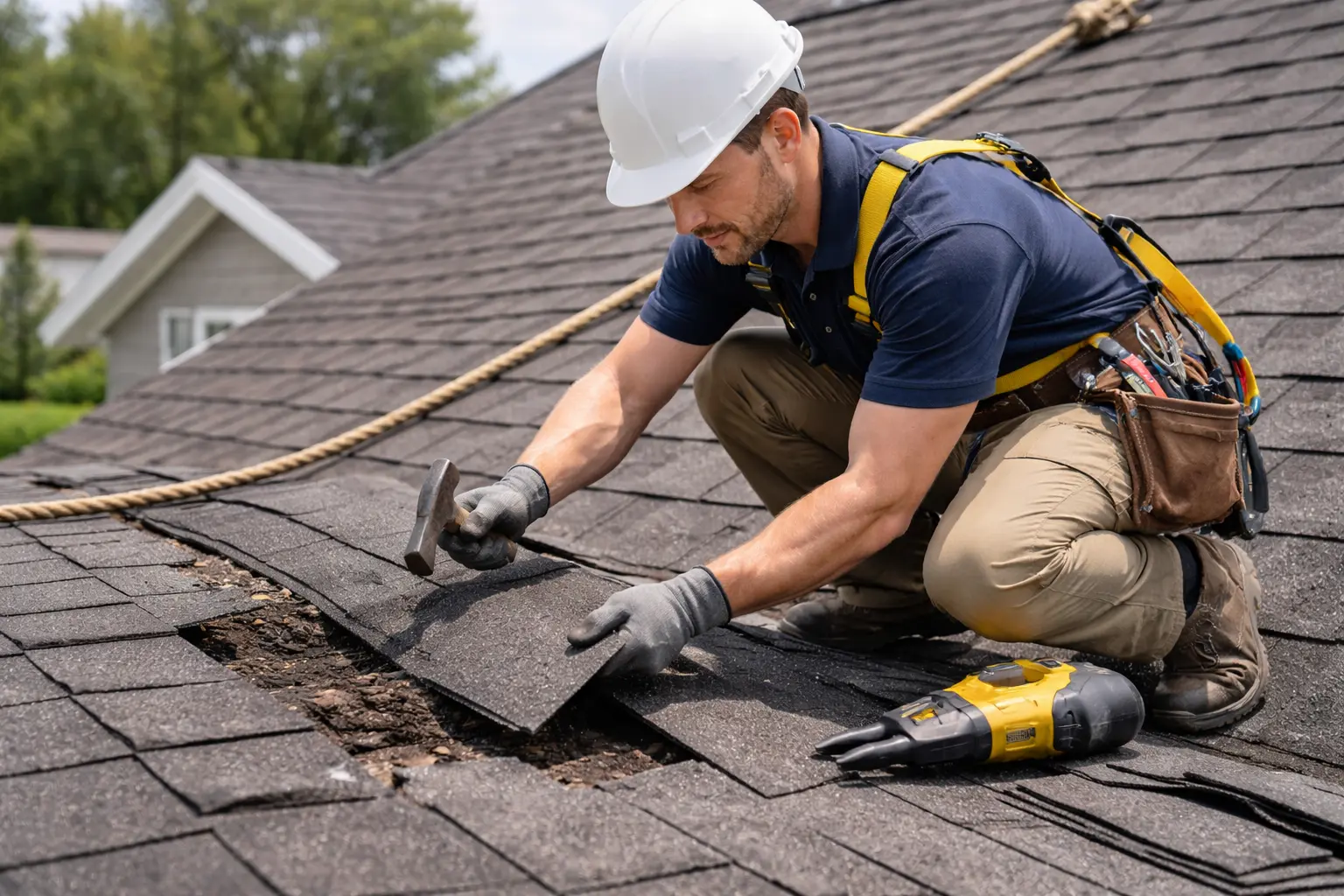
Your roof and gutters work together to protect your home from rain, wind, snow, and moisture. If there is a problem with either system, it can quickly spread. A small roof leak can cause insulation and ceilings to be damaged and broken gutters can cause water to pool around the foundation. That’s why it’s essential to get your roofing and gutter fixed when it needs it – which is why this is a vital aspect of responsible home ownership.
Many homeowners find out that there are issues with their roof when water ends up in their homes. At this time the original problem may have been evolving for weeks or even months. Open spaces where shingles should be, damaged flashing, clogged gutters, loose fasteners and improperly directed downspouts can all provide a way for moisture to enter where it is not wanted.
Fortunately, numerous issues can be resolved before they become big repairs. Properly maintaining your roof and drainage system by regular inspections, routine maintenance of gutters, and prompt attention to any problems that are clearly visible can help prolong the life of these systems. Knowing what some of the usual issues are and when to seek professional assistance can also make home maintenance less stressful and less costly.
Common Signs Your Roof Needs Attention
Failure of a roof does not occur overnight. In many instances, it offers noticeable indications that shouldn’t be overlooked.
The most apparent is a water stain on an inside wall or ceiling. A water stain, no matter how small, can signify water is infiltrating from the roof, flashing or somewhere else in the building envelope. The stain that can be seen does not necessarily match the position of the leak as water can be moving through roofing materials or structural components.
Other warning signs include missing, curled, cracked, and damaged shingle areas. Shingles provide protection from water and the sun’s rays, which can cause further damage to the roof structure if they are damaged.
Gutters filled with granules can also be a sign of deterioration of the asphalt shingles’ surface. While it’s normal to lose some granules, if it’s a lot, it’s a problem to have the roof inspected.
Chimneys, vents, skylights and roof joints are areas that need special attention. Water can find its way through damaged or improperly sealed flashing.
Sagging roof areas, daylight showing through the attic, damp insulation, mold-like smells and excess moisture in the home are all other indicators.
If you are experiencing any of these symptoms, you may end up spending more to fix the issue if you put it off to the last minute. It is easier to deal with early intervention than large water damage.
Gutter Problems That Can Damage Your Home
The purpose of gutters is to collect rain water from the roof and have it safely channeled off the building. When they become blocked or break down, water can flood around and get in places where they weren’t meant to be continually wet.
Gutters can collect leaves, twigs, dirt, moss and more. A clog keeps water flowing smoothly to the downspouts.
In heavy rain, gutters can become overfilled and spill. Water may then percolate down the external walls, cause damage to siding, lead to brickwork staining or pool around the foundations.
Another common issue are sagging gutters. If the slope of the gutter is no longer correct, water can pool in the gutter instead of flowing into the downspout.
Other leaks at seams and corners can also diminish the performance of gutters. The small cracks might not be a problem right now, but can get worse over time when exposed to water.
Downspouts are also crucial. Blocked downspouts or downspouts that blanket the foundation are no good for gutters even if they are clean.
Many of these problems can be avoided with ease by doing a simple maintenance. Inspect gutters frequently, particularly if there have been storms or many leaves falling in the season. Keep downspouts unclogged and direct water several feet away from the foundation, if possible.
Why Roof and Gutter Maintenance Work Together
Roofing and gutters should not be considered as a separate system. They are related in their functions.
Rainwater is collected in the roof and the gutters regulate the flow of rainwater after it reaches the edge of the roof. Water can still cause serious problems if the roof is in good condition but the gutters are blocked.
Similarly, if the roof is damaged and water is flowing into the building, then no amount of working gutters will be able to solve the problem.
This connection between them can be particularly beneficial for coordinated maintenance. At roof inspection time, make sure to inspect condition of gutters, downspout location, fascia boards, soffits and other surrounding elements.
When gutters overflow or leak, fascia boards can become water damaged. Water can also be a problem if it is allowed to enter repeatedly under the edge of the roof.
It is best to keep the complete flow of drainage so that the individual parts are not unnecessarily stressed.
It is also important for homeowners to watch the water flow on their property during heavy rains. If water flows over one part of the gutter, pools around the house or erodes around a downspout, it might be a problem that needs adjustment.
Choosing the Right Repair Approach
Some roof and gutter issues can be addressed without having to replace your roof. In most cases, fix can fix without replacing the whole system.
For instance, if a small leak is occurring in your gutter, you might just need to repair or replace a small section of the gutter. If the downspout is just loose, it might not need to be replaced.If the downspout is just loose, it may not need to be replaced, but rather may require new fasteners.
Repair costs for roofs can also differ greatly. A professional might replace a couple of damaged shingles, fix flashing, work on a leak in a particular area or fix another specific problem.
But if there is a lot of damage, it may be more feasible to replace the dam. If a roof has been suffering from extensive damage, problems could continue to develop after a number of repairs have been made.
Considerations for repair vs. replacement should include the age of the roof, degree of damage, previous repair history, remaining useful life, and cost.
It is also essential to know the cause of the trouble. Replacing what’s seen without fixing the root cause can lead to the same problem occurring again.
The best contractor will provide some answers to these questions and tell you what has gone wrong, why it went wrong and the options available. If the suggested tasks are not clear, ask questions.
How to Choose a Reliable Roofing and Gutter Professional
The right contractor for choosing the right quality and long-term cost will make it all the difference.
First check for a company that has experience in the kind of work your property is in need of. A roofing job, gutters installation, gutter fix and drainage issues may require various skills.
Request a written estimate that spells out the work to be done. The estimate should help clarify the amount of labor, materials, and any other services that might be required.
The types of insurance and required licenses will vary from place to place, so it’s important for homeowners to check the qualifications that apply in their area.
Customer reviews and references may also be helpful. Be mindful of the same comments about communication, punctuality, workmanship, cleanup, and if the company finished the work as they had advertised.
Beware of contractors that rush you to sign contracts or offer extremely low bids without giving you any details of what is covered.
The professional inspection should be comprehensive and not only on the obvious damage.
Communication is another quality that is essential. You should feel at ease asking questions on how the repair will fix the issue, and what maintenance may be necessary following the repair.
Preventive Maintenance That Saves Money
Preventive maintenance may be more affordable than emergency repair.
Firstly, make regular roof checks, especially following a severe weather event, a habit. Damage to roofing materials may occur from strong winds, hail, heavy rains and falling branches even when the damage is not evident from the ground.
Don’t allow large amounts of debris to collect in gutters and inspect downspouts for blockages.
Remove branches that overhang the roof, if necessary. Damage can be caused by falling branches and frequent contact with roofing materials.
Inspect attic areas for signs of moisture. Rotten wood or odd smells may signal either roof or ventilation issues.
Avoid using pressure washing on roofing materials unless the manufacturer of the roof and the professional agrees that there is an acceptable method for doing so. The aggressive cleaning can be harmful to some roofing surfaces.
In some cases, gutter guards may help prevent debris build up, but they aren’t maintenance-free. They vary from gutter to gutter, and some need to be cleaned periodically anyway.
Records of inspections and repairs are also helpful. It is helpful to know when the repairs were made on shingles, flashing, gutters or downspouts to help with future maintenance decisions.
Seasonal Roof and Gutter Care
Roofing and draining systems can have different challenges during different seasons.
Before periods of heavy rainfall, inspect gutters and downspouts for blockages. Allow water to flow freely; prevent discharge areas from being blocked.
Inspect after major storms for missing shingles or broken flashing, fallen trees, dents, or unusual debris. If conditions are unsafe, do not climb on a roof without assistance.
Freezing temperatures may provide further stress in colder climates as a result of ice and repeated freeze-thaw cycles. Some moisture-related issues can be alleviated by adequate insulation and ventilation, depending on the structure and climate.
Some roofing materials can age faster in hot summer climates due to the sun’s exposure. Insulation and attic ventilation should be considered in the context of overall home maintenance.
Unusual changes should be investigated, not ignored, regardless of the season!
The Cost of Delaying Repairs
One of the biggest mistakes homeowners make is assuming a small problem will remain small.
A small roof leak can over time cause destruction to the insulation, wood, drywall, paint and other materials. If moisture is undetected it can cause further problems which are harder to solve.
Likewise, leaking gutters will wet the soil around the foundation over and over again. This can lead to erosion or moisture issues in the home over time.
The longer the delay in repairs, the higher the chances of an emergency service. Emergency repairs can cost more and be more inconvenient than a scheduled repair.
It’s not all minor flaws need to be replaced immediately. Rather, homeowners need to know the difference between cosmetic wear and issues that will permit water to penetrate the home.
A professional assessment can be done and will give options based on the condition of the property.
Final Thought
One of the most serious dangers a house faces from the weather is water, and a major way to safeguard the house is through roofing and gutter repair. A roof offers the first line of defense and gutters and downspouts ensure that rainwater flows away from the building safely.
Small defects can be avoided from becoming expensive problems through regular inspections, prompt repairs and simple maintenance. Attention should be paid by homeowners to broken shingles, leaking roofs, clogged gutters, sagging parts of the roof, leaks inside the home, broken flashing, and water overflowing from the roof.
If professional work is needed, select a reputable and qualified professional contractor who offers clearly stated recommendations and written estimates. When looking for the lowest price, don’t forget to take into account the skills, materials, experience, communication, and value of the project.
Years of reliable protection may be offered by waterproofing a roof and drainage system that is properly maintained. One of the easiest ways to save your home and your wallet is to take action early.
FAQs
How often should gutters be cleaned?
Gutters should be checked regularly, with cleaning frequency depending on nearby trees, weather, and the amount of debris. Homes surrounded by trees may require more frequent attention.
What are the signs of a roof leak?
Common signs include ceiling stains, damp insulation, musty odors, visible water, damaged shingles, and moisture appearing around roof penetrations such as vents or chimneys.
Can a small roof leak be repaired?
Many localized leaks can be repaired, but the correct solution depends on the source and extent of the damage. A professional inspection can determine whether a targeted repair is appropriate.
Why do gutters overflow during rain?
Overflow can result from clogged gutters, blocked downspouts, incorrect gutter slope, insufficient capacity, or excessive water flow from the roof.
Should gutters drain away from the foundation?
Yes. Downspouts should generally direct water away from the foundation to reduce the risk of water accumulating around the structure. Exact drainage requirements depend on the property and local conditions.
How do I know whether to repair or replace my roof?
Consider the roof’s age, extent of damage, repair history, remaining expected lifespan, and estimated repair cost. A qualified roofing professional can help compare the available options.
Can I perform roofing and gutter repairs myself?
Basic gutter cleaning and minor maintenance may be suitable for some homeowners, but roof work can involve significant fall and structural hazards. Complex repairs are best handled by qualified professionals.
Does gutter maintenance protect the roof?
Proper gutter maintenance supports the overall roof drainage system and can help prevent water from backing up or overflowing near roof edges, fascia, and other vulnerable areas.

